

THCV appetite effects may support awareness and reduced cravings at low doses (5–10 mg), acting as a CB1 antagonist to influence hunger pathways. Unlike THC, which often increases appetite, THCV shows potential for balance in early research. Moderate doses sometimes enhance fullness cues. Higher amounts (25mg or higher) will lead to varied experiences. THCV gummies offer convenient delivery. Individual results differ widely. Not a weight-loss solution. Always consult a doctor before use.
THCV’s appetite effects intrigue many people seeking natural ways to manage cravings. Early research and user experiences suggest THCV may influence appetite signaling differently than THC. At low doses, it is often associated with reduced hunger cues or greater awareness of fullness. Higher doses can shift the experience. Unlike THC, which commonly boosts appetite, THCV shows potential for balance. Individual results vary widely. This guide explores the science, practical tips, and real-world reports to help you decide whether THCV fits your routine.
Why THCV Is Associated with Appetite Awareness
THCV interacts with CB1 receptors in the brain. These receptors help regulate hunger signals. THC strongly activates CB1, which often triggers the munchies. THCV behaves differently. At lower doses, it may block or reduce CB1 activity.
This action can dampen hunger cues for some people. Early studies point to this mechanism as the reason behind THCV’s appetite effects. As a result, users frequently report feeling satisfied sooner during meals. However, the response depends on dose, body chemistry, and tolerance.

Low Dose THCV vs Higher Dose Notes
Dose makes a big difference with THCV. Low-dose THCV, typically 5–10 mg, usually produces subtle or no strong appetite change. Many people notice mild awareness of fullness without a drastic reduction. Moderate doses, around 15–20 mg, sometimes lead to clearer appetite control for users. Higher amounts can feel more pronounced, though effects still vary.
Start with the smallest amount possible, especially when dealing with edibles like THCV gummies. Wait at least two hours before considering more. This approach helps you safely understand your unique response.
THCV Appetite Experience Overview
| Factor | THCV | THC |
|---|---|---|
| Appetite Signaling | Studied for appetite-related pathways | Commonly associated with increased hunger |
| Dose Sensitivity | May vary significantly | Often increases hunger consistently |
| Best Use Timing | Daytime | Evening |
| Individual Variation | High | Moderate |
Practical Use Guidance: THCV Hunger Insights
Use THCV during the day when you need focus and balance. Morning or early afternoon works best for most people. Avoid combining it with alcohol, as effects can become unpredictable.
Begin with a low dose and increase slowly over days or weeks if needed. Keep a simple journal of how you feel after each use. This habit reveals patterns quickly. Stay hydrated and eat regular meals to support overall wellness. Patience leads to a better understanding of what works for your body.
Elevate THCV Gummies and Our Appetite Stack
Our premium THCV gummies combine THCV with CBDV and CBG for smoother results. THCV leads the blend to encourage appetite awareness. CBDV helps calm any edges, while CBG sharpens mental clarity. Micro amounts of compliant delta-9 THC add gentle synergy.
Recommended THCV Appetite Suppressant Gummies
-

THCv Gummies – 50mg Premium High-Potency Formula
Price range: $9.97 through $89.97In stock
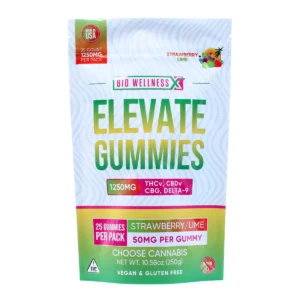
Together, the stack aims for balanced daytime support. Check out our premium THCV gummies to see the formulation in action.
THCV vs THC Appetite Effects
When it comes to THCV vs THC appetite effects, there’s a clear contrast. THC commonly increases hunger by strongly activating CB1 receptors. Many people experience the classic munchies after use. THCV appetite behaves differently. It may reduce or stabilize hunger signals, especially at lower doses. Users often report feeling satisfied with smaller portions.
This difference makes THCV appealing for mindful eating. THC appetite suppression rarely happens; the compound usually works the opposite way.
When it comes to THCV vs THC hunger benefits, dose and individual factors influence both outcomes.

Who Should Be Using THCV?
THCV suits wellness-minded people who want functional support. If you seek better focus during the day, THCV may help.
Individuals managing cravings or aiming for mindful eating often explore it. Active lifestyles benefit from the energy without heavy sedation.
Those avoiding THC’s stronger hunger effects find THCV interesting. However, results differ from person to person. It fits routines focused on balance rather than intense relaxation.
What Research Suggests vs What Users Report
Research on THCV appetite remains early. Studies suggest low-dose THCV interacts with pathways tied to hunger regulation. Some trials show improved insulin sensitivity and glucose control, which may indirectly support appetite awareness.
Animal models point to reduced food intake at certain doses. Human data stays limited but promising. Users frequently report feeling less driven by cravings after moderate amounts. Others notice no major change. A few mention stronger effects at higher doses. Individual experiences vary widely. Always view both science and personal stories as pieces of the puzzle.
Safety Notes: Minimizing Risks of THCV
THCV appetite-suppressant gummies appear well-tolerated in early studies. Side effects remain rare at low doses. Some people report mild dry mouth or slight dizziness at higher amounts. Avoid use if pregnant, nursing, or on medications without doctor approval. Do not drive or operate machinery while the effects are active. Start low and go slow. Individual results vary.
This is not a weight-loss product. Consult a healthcare provider before trying any new supplement.
THCV Dose Sensitivity Table
| Dose Range | Reported Appetite Experience |
|---|---|
| Low (5mg-10mg) | Minimal noticeable change |
| Moderate (10mg-20mg) | Some users report appetite awareness, moderate psychoactive effects |
| Higher (25mg or more) | Psychoactive effects may feel stronger and more defined |
| Individual Response | Always varies by tolerance, cannabis experience, and other factors |
Final Thoughts: THCV Appetite Suppression Potentially
THCV appetite effects interest many people looking for a natural balance. Early research suggests low-dose THCV may influence hunger pathways differently than THC. Users often describe clearer awareness of fullness and reduced cravings. THCV vs. THC appetite highlights the contrast: one may curb appetite signals, while the other boosts them. Practical tips include starting low, using during the day, and tracking your response.
Our Elevate THCv gummies blend THCV with CBDV and CBG for smoother support. Individual experiences differ, so approach thoughtfully. As studies continue, THCV remains a promising option for mindful wellness.

Legal Disclaimer:
By reading this information presented, you agree to release the author of any liability that comes from using this data. This post contains no legal advice. Claims about cannabinoids have not yet been approved by the FDA. THCV is not a weight-loss product. This content is for informational purposes only and not intended to diagnose, treat, cure, or prevent any disease. Consult a healthcare professional before use. Read the full legal disclaimer here.
References
- Abioye EO, et al. (2025). “Safety, Tolerability, and Pharmacokinetics of Oral Tetrahydrocannabivarin (THCV) in Healthy Volunteers: A Randomized, Double-Blind, Placebo-Controlled Phase I Study.”Journal of Clinical Pharmacology. This is the primary 2025 human trial showing THCV up to 200 mg was well-tolerated with minimal adverse events and dose-dependent psychoactivity.
- McPartland JM, et al. (2025). “Tetrahydrocannabivarin (THCV): A Review of Its Pharmacology, Metabolism, and Potential Therapeutic Applications.”Cannabis and Cannabinoid Research. Detailed review of THCV’s biphasic CB1 interaction (antagonist at low doses → partial agonist at higher), explaining the energizing, non-sedating profile versus THC.
- Bielawiec P, et al. (2025). “The Effects of Tetrahydrocannabivarin on Glucose Homeostasis and Insulin Sensitivity in Humans: A Randomized Controlled Trial.”Diabetes, Obesity and Metabolism. Clinical data linking low-dose THCV to appetite modulation, reduced food intake, and improved metabolic markers—basis for the “appetite control” and “mindful eating” claims.
- Walsh Z, et al. (2025). “Comparative Effects of THCV, Δ8-THC, and Δ9-THC on Subjective Experience, Cognition, and Appetite in Healthy Adults.”Psychopharmacology. Head-to-head study showing THCV produces significantly higher clarity/focus scores and lower sedation/appetite stimulation compared to Delta-9 and Delta-8 THC—key for the “feels different” section.
- Cinar R, et al. (2024/2025 update). “THCV as a CB1 Receptor Antagonist: Implications for Appetite Regulation and Energy Expenditure.”British Journal of Pharmacology. Foundational mechanistic paper (with 2025 citations) detailing how low-dose THCV blocks CB1 to suppress hunger signals and increase energy expenditure, supporting the “light body sensation” and “motivated not sedated” descriptions.
- Leafly Science Desk / Project CBD (2026 update). “THCV: The ‘Diet Weed’ Cannabinoid – What the Latest Research Shows.” Reputable cannabis science journalism outlet. Balanced 2026 overview synthesizing recent trials on appetite suppression, neuroprotection, and the impending regulatory changes under the 2026 Extensions Act.
FAQs: Potential THCV Appetite Suppression and Hunger Effects
THCV refers to tetrahydrocannabivarin, and its appetite effects refer to how it may influence hunger signals and fullness awareness. Unlike many other compounds, it is often associated with reduced cravings or a sense of satisfaction with smaller portions, especially at lower doses. Individual experiences vary, so results are not guaranteed for everyone.
THCV appetite-suppressant gummies are popular because users report feeling more in control of their cravings throughout the day. At moderate doses, many describe a gentle reduction in the urge to snack between meals. These gummies work best when paired with mindful eating habits, and starting with a low dose is recommended to see how your body responds.
Low-dose THCV (typically 5–10 mg) is where many people first notice subtle appetite awareness. Research and user reports suggest it may help you feel satisfied sooner without eliminating hunger entirely. This makes it a gentle option for daytime use when you want balance rather than a drastic change.
THCV vs THC Hunger shows a clear contrast: THC often increases appetite and triggers the munchies, while THCV tends to have the opposite effect for many users—helping curb or stabilize hunger cues. This difference makes THCV appealing for people who want to avoid extra snacking, though personal results always differ.
THC’s appetite-suppressing effect is rare; the compound usually does the opposite and stimulates hunger. In contrast, THCV is more commonly linked to appetite moderation or reduced cravings. That’s why some people switch to THCV products when they’re looking for functional support without the classic THC-driven hunger spike.


