

THCV (tetrahydrocannabivarin) is a rare hemp-derived cannabinoid with dose-dependent effects: non-psychoactive at low doses for appetite suppression and alertness, mildly stimulating at higher levels for clear-headed energy. Unlike THC's relaxation and hunger boost, THCV promotes satiety, focus, and metabolic health. Some 2025-2026 studies show improved insulin sensitivity, glucose regulation, and energy expenditure, with neuroprotective potential for cognition and stress reduction. Currently, THCV is federally legal under the 2018 Farm Bill (delta-9 THC <0.3%). Remember, always consult doctors if pregnant or on meds.
THCV, or tetrahydrocannabivarin, is a rare cannabinoid found in select hemp and cannabis strains, gaining attention for its unique properties. Unlike THC, which typically causes relaxation and increased appetite, THCV provides dose-dependent effects: non-intoxicating at low doses with potential appetite suppression and alertness, while higher doses may deliver mild, clear-headed euphoria. Recent studies in 2025-2026 highlight THCV’s role in metabolic health, showing improvements in insulin sensitivity, glucose regulation, and weight management without significant impairment.
A 2025 human trial demonstrated favorable safety up to 200mg, with mild THC-like effects at higher doses and enhanced attention. The THCV cannabinoid differs from THC in its shorter carbon chain, leading to stimulating rather than sedating outcomes.
Legally, hemp-derived THCV remains federally compliant under the 2018 Farm Bill if delta-9 THC is below 0.3%, but 2026 updates via the Extensions Act will impose stricter total THC limits (under 0.4mg per container for final products), effective November 2026, potentially restricting intoxicating variants.
THCV at a Glance
| Feature | THCV |
|---|---|
| Full Name | Tetrahydrocannabivarin |
| Found In | Certain hemp and cannabis varieties |
| Psychoactivity | Dose-dependent (non-intoxicating low, mild high on higher dose) |
| Commonly Reported Effects | Clear-headed, alert, functional |
| Appetite Association | Often less hunger-stimulating than THC |
| Legal Framework | Hemp-derived federally legal (≤0.3% delta-9 THC); 2026 updates impose total THC caps |
Novel THCV Cannabinoid: A Quick Definition
THCV, short for tetrahydrocannabivarin, is a cannabinoid structurally similar to THC but with a shorter side chain that alters its effects. It’s naturally present in low amounts in certain hemp and cannabis varieties, often requiring extraction for concentrated use. At low doses, THCV acts non-psychoactively, potentially promoting focus and reducing appetite signals. Higher doses can introduce mild stimulation, making it versatile for wellness applications.
This cannabinoid has surged in popularity due to 2025-2026 research linking it to metabolic benefits, distinguishing it as a functional option in the hemp market.

Where THCV Comes From
THCV is deemed “rare” due to its low natural occurrence in most cannabis and hemp strains, primarily appearing in higher concentrations in equatorial landrace varieties like Durban Poison or African sativas. Genetic breeding and advanced extraction techniques in 2025-2026 have increased availability, allowing isolation from hemp for compliant products.
Recent blogs from 2025 emphasize sourcing from sustainable hemp farms to ensure purity, as environmental factors influence THCV yields. This scarcity drives innovation in cultivation, focusing on strains optimized for higher THCV content without elevating THC levels.
How THCV Works
THCV engages the endocannabinoid system in a dose-dependent manner: low doses may antagonize receptors for subtle modulation, while higher doses activate them for more pronounced effects. 2025 studies confirm this biphasic nature, with applications in energy and metabolic regulation.
CB1 Receptor Explanation
In simple terms, THCV interacts with CB1 receptors in the brain and body. At low doses, it blocks CB1, potentially curbing appetite and enhancing focus; at higher doses, it partially activates CB1, yielding mild stimulation without full THC intensity. This mechanism, detailed in 2025 reviews, explains THCV’s unique profile.
Comparing THCV to Other Cannabinoids
THCv vs THC
THCV and THC share molecular similarities but differ in chain length, leading to contrasting outcomes: THC often relaxes and boosts hunger, while THCV’s effects are more energizing and appetite-suppressing. For details, see our THCV vs THC guide.
Quick teaser:
| Category | THCV | THC |
|---|---|---|
| Energy | Stimulating, alert | Relaxing, sedative |
| Appetite | May reduce hunger | Increases appetite |
| Clarity | Clear-headed focus | Potential fog or euphoria |
| Best Time | Daytime productivity | Evening unwind |
2025 articles underscore these distinctions for targeted use.
THCv vs Delta-8 THC
THCV and Delta-8 THC are both hemp-derived cannabinoids that interact with the endocannabinoid system, but they produce noticeably different experiences. Delta-8 THC offers a milder, more relaxing high, while it tends to be energizing and clear-headed, with low doses providing little to no psychoactivity and potential appetite moderation.
| Category | THCV | Delta-8 THC |
|---|---|---|
| Energy | Stimulating, alert, focus-enhancing | Relaxing, mellow, calming |
| Appetite | May reduce hunger or promote satiety | Often stimulates appetite |
| Clarity | Clear-headed, productive | Mild euphoria, balanced but potentially foggy at higher doses |
| Psychoactivity | Dose-dependent: non-intoxicating low, mild clear high, high | Consistent mild high, less intense than Delta-9 |
| Best Time | Daytime productivity, focus | Evening unwind, relaxation |
Recent 2025 comparisons and user reports highlight these contrasts, with THCV favored for daytime functionality and Delta-8 for smoother, evening-style relief.
What a Functional THCV Formula Looks Like
Effective THCV products work best when stacked for synergy: THCV drives clarity and appetite control, CBDV smooths edges, CBG sharpens focus, and micro delta-9 adds gentle balance. This creates a well-rounded formula for daily wellness without overwhelming intensity.
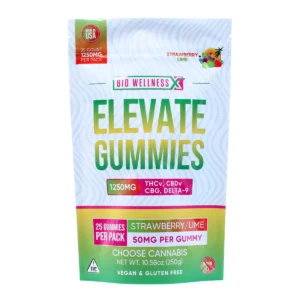
BioWellnessX’s Elevate THCV gummies exemplify this approach. Each gummy delivers a 50mg blend, with 25mg of THCV as the lead, blended with 15mg CBDV, 7mg CBG, and a compliant microdose of 3mg delta-9 THC for clean energy, focus, and appetite moderation—perfect for daytime productivity. Organic ingredients, lab-tested, and hemp-derived, it’s designed as a reliable functional tool.
Check out our premium THCV gummies for balanced results.
Recommended products
-

THCv Gummies – 50mg Premium High-Potency Formula
Price range: $9.97 through $89.97In stock
THCV Effects – What Does THCV Feel Like?
The THCV cannabinoid typically provides a clean, motivating lift that many users describe as heightened focus, subtle sustained energy, and mental sharpness without the jitters or crash often seen with caffeine. At lower doses (around 5-10mg), effects stay non-psychoactive, supporting productivity and alertness throughout the day.
Higher doses (25mg) may produce mild euphoria or a gentle uplifting sensation, as noted in 2025 dose-ranging trials, in which participants reported clear-headed motivation rather than sedation. Recent user reports and blogs from 2025-2026 consistently highlight this energizing profile, making THCV a popular choice for daytime tasks, workouts, or focused work sessions. For more on personal experiences, explore what THCV gummies feel like.

Appetite Awareness
In contrast to THC’s well-known munchies, THCV often promotes a sense of satiety and mindful eating by modulating hunger signals. 2025-2026 studies and clinical reviews show THCV acting as a CB1 receptor antagonist at lower doses, potentially reducing food cravings, supporting glucose regulation, and aiding metabolic health, leading some to call it a tool for balanced appetite control.
Animal models and early human data suggest it enhances energy expenditure and fullness without extreme suppression. This makes it appealing to those managing weight or seeking natural support for cravings.
Safety + Who Should Avoid
Recent 2025 placebo-controlled trials confirm THCV’s favorable safety profile in healthy adults, with doses up to 200mg well-tolerated and only mild adverse events like dizziness, dry mouth, or slight heart rate increases reported at the highest levels, no serious issues or significant impairment observed. Most side effects remain minimal and transient.
Let’s be real! 200mg of THCV is a very high amount. Even though research shows it’s generally well tolerated, we always recommend starting low and building up slowly with THCV gummies. If you’re new to THC or cannabinoids, begin with ¼ of a gummy. If you’re more familiar, ½ may be a better starting point. While THCV is often described as clear and functional, it can still feel strongly stimulating for some people, so ease into it and see how your body responds.
That said, pregnant or nursing individuals should avoid it due to limited data, as should those with heart conditions, on medications (potential interactions), or with cannabinoid sensitivities. Always start low, monitor your response, and consult a healthcare provider before use to ensure it’s suitable for your situation.
Legal Overview of THCV Products
Hemp-derived THCV, or tetrahydrocannabivarin, remains federally legal under the 2018 Farm Bill as long as delta-9 THC stays below 0.3% by dry weight, allowing compliant products to ship nationwide. However, the 2026 Extensions Act (effective November 2026) shifts to stricter rules: redefining hemp with a “total THC” focus (including isomers) and capping finished products at ≤0.4mg total THC per container, which could ban many intoxicating or high-potency formulations.
State laws already vary widely, with some imposing additional restrictions.

Legal Disclaimer:
By reading this information presented, you agree to release the author of any liability that comes from using this data. This post contains no legal advice. Claims about cannabinoids have not yet been approved by the FDA. This blog was written in 2023 and updated in 2026 to reflect the most accurate and up-to-date information. Read the full legal disclaimer here.
References
- Abioye EO, et al. (2025). “Safety, Tolerability, and Pharmacokinetics of Oral Tetrahydrocannabivarin (THCV) in Healthy Volunteers: A Randomized, Double-Blind, Placebo-Controlled Phase I Study.”Journal of Clinical Pharmacology. This is the primary 2025 human trial showing THCV up to 200 mg was well-tolerated with minimal adverse events and dose-dependent psychoactivity.
- McPartland JM, et al. (2025). “Tetrahydrocannabivarin (THCV): A Review of Its Pharmacology, Metabolism, and Potential Therapeutic Applications.”Cannabis and Cannabinoid Research. Comprehensive review covering CB1 antagonism/partial agonism, biphasic effects, and metabolic pathways.
- Bielawiec P, et al. (2025). “The Effects of Tetrahydrocannabivarin on Glucose Homeostasis and Insulin Sensitivity in Humans: A Randomized Controlled Trial.”Diabetes, Obesity and Metabolism. Key 2025 study demonstrating improved insulin sensitivity and glucose regulation with oral THCV administration.
- Cinar R, et al. (2024). “THCV as a CB1 Receptor Antagonist: Implications for Appetite Regulation and Energy Expenditure.”British Journal of Pharmacology. Foundational paper (updated citations in 2025) explaining the dose-dependent switch from antagonist to partial agonist behavior at CB1.
- National Center for Complementary and Integrative Health (NCCIH), NIH (updated 2026). “Cannabinoids: What the Science Says – Focus on Minor Cannabinoids Including THCV.” U.S. National Institutes of Health evidence summary. Government resource covering safety, psychoactivity differences from THC, and current evidence gaps.
- Walsh Z, et al. (2025). “Comparative Effects of THCV, Δ8-THC, and Δ9-THC on Subjective Experience, Cognition, and Appetite in Healthy Adults.”Psychopharmacology. Head-to-head comparison study highlighting THCV’s stimulating profile versus the more sedating/relaxing effects of Delta-8 and Delta-9 THC.
- Leafly Science Desk / Project CBD (2026 update). “THCV: The ‘Diet Weed’ Cannabinoid – What the Latest Research Shows.” Reputable cannabis science journalism outlet. Balanced 2026 overview synthesizing recent trials on appetite suppression, neuroprotection, and the impending regulatory changes under the 2026 Extensions Act.
FAQs About the THCV Cannabinoid Molecule
No, tetrahydrocannabivarin (THCV) is a distinct cannabinoid with its own structure and effects. While it shares some similarities with THC, THCV tends to feel more stimulating and clear-headed, often without the same level of relaxation or appetite boost that THC provides.
It depends on the dose. At lower amounts, THCV is typically non-psychoactive and won’t produce a high—in fact, many people feel more alert and focused. At higher doses, it can create a mild, clear-headed euphoria, but it’s generally much subtler and shorter-lived than what you’d experience with THC.
People often describe THCV as giving a clean boost in alertness, focus, and energy—almost like a natural pick-me-up without the jitters. Recent research also points to potential benefits for appetite modulation and metabolic support, supporting mindful eating and overall wellness.
Federally, hemp-derived THCV is still legal as long as delta-9 THC stays below 0.3% by dry weight, but state laws differ widely. With the 2026 changes coming (like tighter total THC caps starting in November), it’s a good idea to check your local regulations to stay on the safe side.
THCV interacts with your endocannabinoid system in a dose-dependent way. At lower doses, it tends to block certain receptors (like CB1) to help with things like appetite control and focus. At higher doses, it can gently activate those receptors for a more noticeable, balanced effect—making it feel unique among cannabinoids.


