key points
Let’s be real—if you’ve been using cannabis for a while, you might’ve noticed something frustrating: what used to work perfectly now barely does the job. That pre-bedtime gummy that once knocked you out? Now you’re lying awake wondering if you accidentally took a placebo. Welcome to the world of THC tolerance, friend. It’s totally normal, super common, and—good news—completely manageable.
What’s Actually Happening When Cannabis Tolerance Develops
Here’s the science-y bit made simple: your body is incredibly smart. When you use cannabis regularly, your brain’s CB1 receptors (the little docking stations where THC does its magic) start to think, “Whoa, that’s a lot of cannabinoids coming through here.” So what do they do? They adapt. Some receptors temporarily shut down, others become less sensitive. Scientists call this “regionally selective downregulation of CB1 receptors,” which is just fancy talk for your brain pumping the brakes.
The result? You need higher doses to get the same effects you used to love. Whether you’re using cannabis for sleep, chronic physical relief, or just to unwind after a long day, cannabis tolerance can turn your perfect routine into a game of “how much do I need to take now?”
Who’s Most at Risk for Developing Tolerance?
Spoiler alert: if you’re a chronic daily cannabis smoker or you use cannabis regularly for medical conditions, you’re more likely to develop tolerance quickly. Heavy cannabis users—especially those reaching for THC products multiple times a day—might notice tolerance develops faster than occasional users.
But here’s the thing: tolerance isn’t a sign you’re doing anything wrong. It’s just your body’s natural response to regular exposure to cannabinoids. Even people using cannabis for legitimate therapeutic benefits and medical purposes can experience this. Your body treats THC like it treats many substances—with adaptation.
The Signs You’ve Built Up High Tolerance
You might be dealing with cannabinoid tolerance if:
- You’re consuming more cannabis to achieve the same relief you used to get
- Your usual dose barely touches your symptoms anymore
- You’re going through products way faster than before
- The psychoactive effects feel muted or different
- You need stronger products or higher concentrations of tetrahydrocannabinol (THC) to feel anything
Sound familiar? You’re definitely not alone. Chronic users across the board deal with this, whether they’re using for recreational purposes or managing real medical needs.
Enter: The Magical Tolerance Break
A tolerance break (lovingly called a “t-break” by cannabis users everywhere) is exactly what it sounds like—taking a vacation from THC to let your body reset. Think of it as turning your endocannabinoid system off and back on again.
Most people aim for around 21 days for a complete reset, which gives THC time to clear your system and allows those CB1 receptors to return to normal levels. But honestly? Even a week can make a noticeable difference. Some chronic cannabis users report significant relief from tolerance after just a few days of abstinence.
What to Expect During Your Cannabis Tolerance Break
Let’s not sugarcoat it—cannabis withdrawal syndrome is real, especially for chronic daily cannabis smokers. You might experience withdrawal symptoms like:
- Sleep disturbances (hello, insomnia)
- Irritability and mood swings
- Mild nausea or abdominal discomfort
- Vivid dreams (which can be weird but kinda cool?)
- Anxiety or restlessness
The good news? These symptoms usually peak within the first few days and gradually improve. Your brain is just recalibrating. Having support from friends, family, or even a healthcare provider can make the process much smoother.
Can’t Do a Full T-Break? Here Are Your Options
Look, we get it—not everyone can take a tolerance break. Maybe you rely on cannabis for chronic discomfort management, or maybe you’re just not ready. That’s totally valid. Here are some strategies to manage cannabis tolerance without going cold turkey:
Switch Up Your Consumption Method
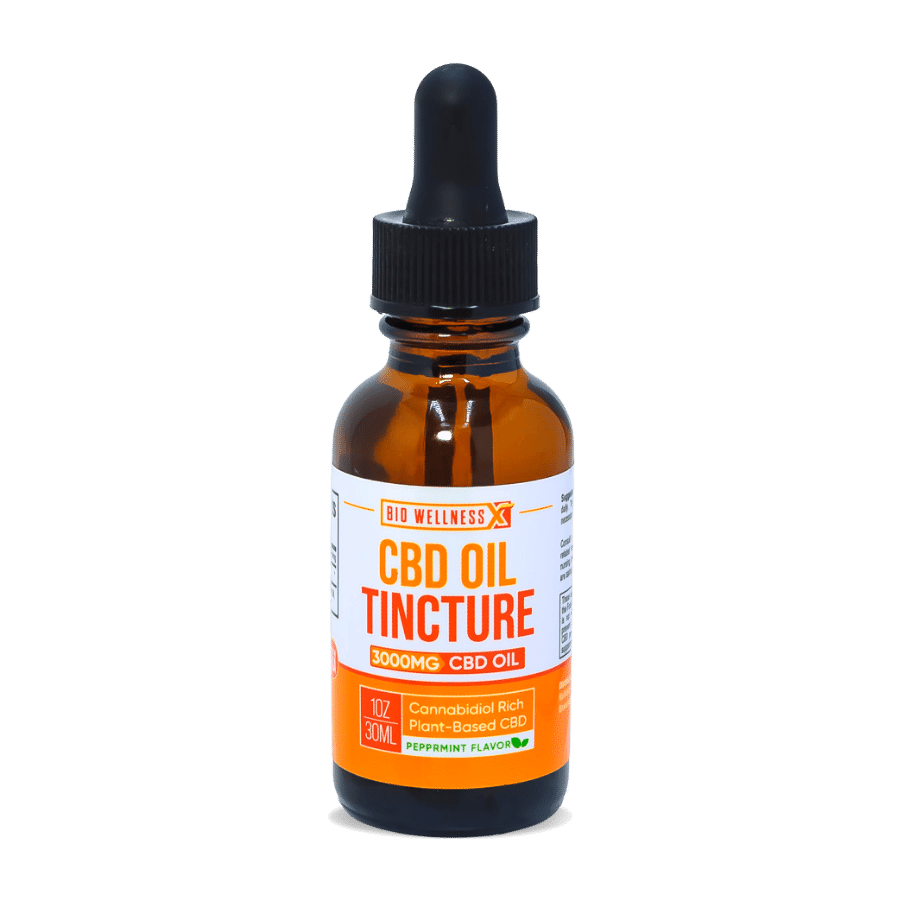
Your body might develop tolerance to specific delivery methods. If you’re always vaping, try edibles. If you typically use high-THC products, consider rotating in some CBD-rich options. At BioWellnessX, you’ll find a variety of cannabis products that make it easy to experiment—from their carefully formulated gummies to tinctures with different cannabinoid ratios.
Microdose Like a Pro
Instead of going big, go small—really small. Microdosing means using the minimum amount needed for therapeutic benefits without building as much tolerance. This approach aligns perfectly with the philosophy behind BioWellnessX’s product line, which focuses on finding your optimal dose rather than just getting maximum THC content.
Try the CBD Route
Here’s something cool: CBD doesn’t build tolerance the same way THC does, and it might even help modulate your body’s endocannabinoid system in beneficial ways. Products with balanced CBD-to-THC ratios can provide significant relief without the same tolerance issues. BioWellnessX offers full-spectrum CBD options specifically designed with this balance in mind—because sometimes less (THC) really is more.
Use Strategic Timing
If you use cannabis for sleep, try using it only on nights you really need it rather than every single night. Same goes for other uses—giving yourself even mini-breaks between uses can slow the development of tolerance considerably.
The Real Talk About Cannabis Dependence
We need to have an honest conversation here: while cannabis is generally considered safer than other drugs or alcohol, cannabis dependence and cannabis addiction are real possibilities, especially with chronic cannabis use. If you find yourself unable to take a break, experiencing severe withdrawal symptoms, or noticing that cannabis consumption is affecting your daily life, relationships, or work, it might be time to chat with a healthcare provider.
There’s zero shame in seeking support. Contingency management programs and professional guidance have helped countless people navigate their relationship with cannabis use. National academies and healthcare organizations offer additional resources if you’re concerned about cannabis dependence or drug abuse patterns.
Health Effects Worth Considering
Beyond tolerance, chronic cannabis use can have other health effects worth keeping on your radar:
- Respiratory issues (if you’re smoking)
- Impact on memory and cognitive function
- Potential interactions with other drugs or medications
- Changes in your brain’s reward system
- For some, increased anxiety despite using cannabis to reduce it
This isn’t meant to scare you—just to keep things real. Many people use cannabis for years without significant adverse health effects, especially when they’re mindful about their consumption and take regular tolerance breaks.
Building a Healthier Relationship With Cannabis
At the end of the day, whether you’re using cannabis for medical or recreational purposes, the goal is finding what works for your body without negative consequences. Here’s your action plan:
Know Your Why
Are you using cannabis for legitimate medical conditions like chronic physical discomfort? Or has it become more of a habit than a helpful tool? Understanding your “why” helps you make intentional choices.
Track Your Use
Notice patterns. How much are you using? How often? What results are you getting? When did you first notice needing more to get the same effects? Awareness is powerful.
Quality Over Quantity
This is where BioWellnessX really shines. Rather than chasing the highest THC content, their products focus on quality, purity, and finding the right formulation for your needs. Sometimes a well-crafted, lower-dose product works better than a super-strong alternative that just builds tolerance faster.
Listen to Your Body
Your body knows what’s up. If you’re noticing adverse health effects, if cannabis isn’t providing the therapeutic benefits it used to, or if you’re just not feeling great about your consumption—those are all valid signals to reassess.
Plan Regular Resets
Make tolerance breaks part of your routine. Whether it’s a week every quarter or a full month once a year, giving your cannabinoid receptors a break keeps them responsive.
The Bottom Line: Exploring THC Tolerance Issues
Yes, THC can stop being as effective when cannabis tolerance develops—but you have options. Whether you choose a full tolerance break, switch up your products, try microdosing, or explore balanced formulations like those from BioWellnessX, you can absolutely reset your tolerance and get back to experiencing the benefits you’re looking for.
Remember: developing tolerance doesn’t mean cannabis isn’t right for you. It just means your body adapted (because bodies are clever like that). With some intentional choices and maybe a break here and there, you can maintain a healthy, effective relationship with cannabis that actually serves you.
Need help finding the right products for your tolerance-management journey? Check out BioWellnessX’s thoughtfully curated collection designed to support your wellness goals without encouraging overconsumption. Because at the end of the day, it’s not about using more cannabis—it’s about using it smarter.

Legal Disclaimer:
By reading this information presented, you agree to release the author of any liability that comes from using this data. This post contains no legal advice. Claims about cannabinoids have not yet been approved by the FDA. This article was written in 2025, cannabis laws and regulations are subject to change. Read the full legal disclaimer here.
More Articles About Cannabis:
- What Is THCA Cannabinoid? A Beginners Guide!
- The Top 5 Cannabinoids You Need to Try
- THCA VS Delta-8 THC! What Are The Differences?
- Does CBD Work? What Does the Science Say?
- How to Find the Best THCa Flower Online
- Exploring the Potential of HHC
References
- Pew Research Center, https://www.pewresearch.org/
- Centers for Disease Control and Prevention (CDC), www.cdc.gov
- National Institute on Drug Abuse (NIDA), www.drugabuse.gov
- CBS News, www.cbsnews.com
- Sanctuary Wellness Institute, www.sanctuarywellnessinstitute.com
FAQs About Cannabis Tolerance and T-Breaks
Regular exposure leads to CB1 receptor downregulation, reducing sensitivity so higher doses are needed for the same effects like sleep or physical relief.
Chronic daily users, especially those consuming multiple times a day for medical or recreational purposes, experience faster tolerance buildup than occasional users.
Needing more product for relief, muted effects, faster consumption, or switching to stronger THC concentrations indicate your body has adapted to cannabinoids.
Abstaining for 7-21 days clears THC, restores CB1 receptors, and reduces needed doses; expect temporary withdrawal like insomnia but improved sensitivity afterward.
Switch methods, microdose minimally, add CBD-rich products, or use strategically on needed days to slow tolerance without complete abstinence from cannabis.